Homeowners planning a concrete project often ask whether rebar is really necessary. The question usually comes up when comparing estimates or trying to balance cost with durability. While some concrete surfaces can perform adequately without steel reinforcement, many applications benefit significantly from rebar when it is used correctly.
This article focuses specifically on whether you should use rebar in concrete. It explains what rebar does, when it is recommended, when it may not be required, and how reinforcement choices affect long-term performance.
What Rebar Does in Concrete
Concrete is very strong in compression but relatively weak in tension. Rebar provides tensile strength, helping concrete resist cracking and movement under load.
By reinforcing concrete internally, rebar helps distribute stress and maintain structural integrity as the slab cures and ages.
Common Situations Where Rebar Is Recommended
Rebar is commonly used in driveways, garage slabs, foundations, and any surface expected to carry vehicle or equipment loads.
Professional concrete contractors often recommend rebar when long-term durability and load resistance are priorities.
When Concrete May Perform Without Rebar
Some low-load applications such as walkways or small patios may perform adequately without rebar when proper thickness and base preparation are used.
In these cases, alternative reinforcement such as wire mesh or fiber additives may be sufficient.
Rebar vs Wire Mesh
Rebar and wire mesh serve similar purposes but perform differently. Rebar provides greater strength and spacing control, while wire mesh is easier to install but offers less structural reinforcement.
Choosing between the two depends on load requirements and project scope.
How Rebar Affects Crack Control
Rebar https://jsbin.com/rixayehuli does not prevent cracks entirely, but it helps hold cracked sections together and limits movement.
This improves appearance and reduces long-term damage.
Thickness and Rebar Spacing
Rebar placement must be matched to slab thickness. Improper spacing or placement reduces effectiveness.
Guidelines from the American Concrete Institute explain proper reinforcement placement and spacing for residential slabs.
Base Preparation Matters as Much as Rebar
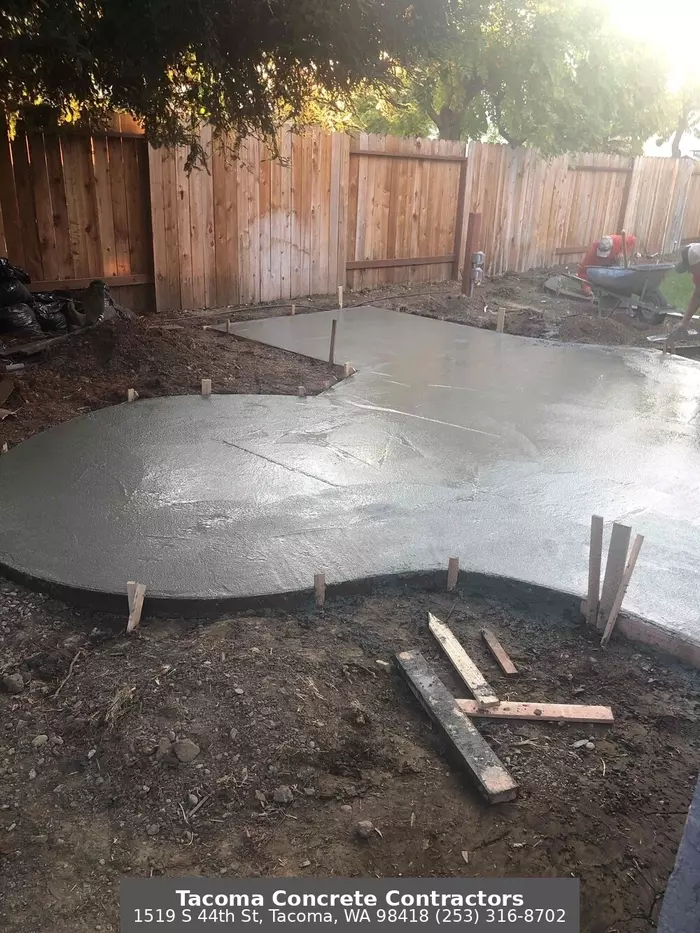
Rebar cannot compensate for poor base preparation. A stable, compacted base is essential for slab performance.
Skipping preparation while adding rebar often leads to cracking anyway.
Cost Impact of Using Rebar
Adding rebar increases material and labor cost. However, the added expense is often small compared to the cost of repairs.
Using rebar can extend the lifespan of concrete significantly.
Rebar in Driveways and Vehicle Areas
Driveways benefit greatly from rebar because of repeated vehicle loads and turning forces.
Reinforced driveways are less likely to crack and settle over time.
Rebar for Foundations and Structural Slabs
Foundations and structural slabs rely on reinforcement to meet load requirements.
In these applications, rebar is not optional.
Rebar and Control Joints
Control joints and rebar work together. Joints control where cracks occur, while rebar limits movement.
Both are necessary for long-term performance.
Common Misconceptions About Rebar
A common misconception is that rebar eliminates cracking entirely. In reality, concrete will crack, but reinforcement controls damage.
Another misconception is that rebar can replace proper thickness or preparation.
Why Contractors Recommend Rebar
Contractors are responsible for performance and durability. Rebar reduces callbacks and long-term issues.
Organizations such as the Better Business Bureau emphasize working with contractors who follow proven construction practices.
Verifying Contractor Knowledge and Standards
Homeowners should verify contractor licensing and experience before approving work.
In Washington, credentials can be verified through the Washington State Department of Labor & Industries.
Working with a trusted concrete contractor Tacoma helps ensure reinforcement decisions are made correctly.
Frequently Asked Questions About Using Rebar in Concrete
Does rebar prevent all cracking?
No. It limits movement and damage but does not eliminate cracks.
Is rebar necessary for patios?
It depends on size, thickness, and usage.
Can fiber replace rebar?
Fiber can supplement reinforcement but usually does not replace rebar in load-bearing slabs.
Does rebar rust inside concrete?
Properly embedded rebar is protected by concrete’s alkalinity.
Final Thoughts on Using Rebar in Concrete
Rebar improves strength, durability, and crack control in many concrete applications. While not always required, it is often a worthwhile investment.
Understanding when and why to use rebar helps homeowners make informed decisions rather than cutting corners.
Tacoma Concrete Contractors
Phone: (253) 316-8702
Service Area: Tacoma, WA
Website: https://tacomaconcretecontractors.com/
Google Maps: https://maps.app.goo.gl/6izj2i3eSdA6KMxg6