Homeowners planning construction projects often ask whether it is cheaper to “concrete” an area or use a concrete slab. The wording of this question can be confusing, because concrete slabs are the most common way concrete is installed for residential projects. However, the underlying concern is cost: whether different concrete approaches, slab types, or installation methods affect total expense.
This article focuses specifically on the cost comparison behind that question. It explains what people usually mean when they ask if it is cheaper to concrete or slab, how slab construction works, and what factors actually determine price differences in residential concrete projects.
What Homeowners Mean by “Concrete vs Slab”
When people ask if it is cheaper to concrete or slab, they are usually comparing different ways of installing concrete. This may include poured slabs versus segmented pours, thin slabs versus reinforced slabs, or concrete compared to alternative surface solutions.
In most residential settings, “concreting” an area still involves installing a concrete slab. The cost difference comes from how that slab is designed, prepared, and reinforced.
What a Concrete Slab Actually Includes
A concrete slab is a continuous layer of concrete poured over a prepared base. It includes excavation, grading, base material, reinforcement, concrete placement, finishing, and curing.
The slab approach provides strength, durability, and long-term performance, which is why it is commonly used for driveways, patios, garages, and foundations.
Why Slab Construction Is Often the Most Cost-Effective
Although slabs may seem more expensive upfront, they often provide the best value over time. A properly built slab distributes loads evenly and resists cracking when installed correctly.
Professional concrete contractors typically recommend slab construction because it reduces maintenance and repair costs over the life of the surface.
Thin Concrete vs Structural Slabs
Some homeowners consider thinner concrete layers as a way to reduce cost. While thinner pours use less material, they are more prone to cracking and failure.
Structural slabs use additional thickness and reinforcement to handle loads and environmental stress, which increases upfront cost but improves durability.
Material Costs vs Installation Costs
Concrete material cost is only one part of the equation. Installation costs often exceed material costs due to labor, preparation, and finishing requirements.
Reducing material thickness does not always lead to meaningful savings if installation standards are compromised.
Preparation Costs and Their Impact on Price
Proper base preparation is critical regardless of slab type. Excavation, gravel installation, and compaction create a stable foundation.
Skipping preparation to save money almost always results in cracking and settlement.
Experienced concrete services include preparation as a non-negotiable part of slab installation.
Reinforcement Choices and Cost Differences
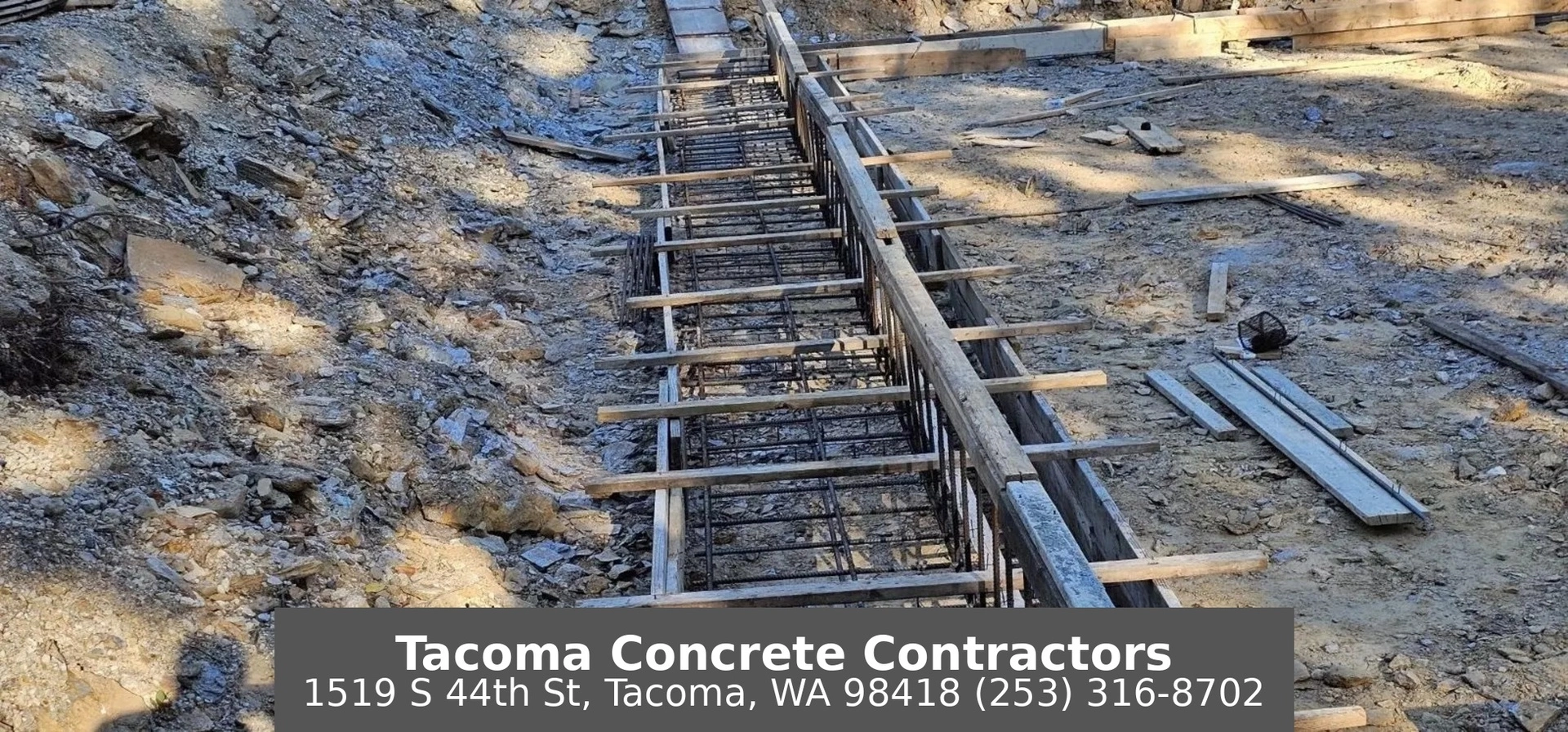
Reinforcement options include rebar, wire mesh, and fiber additives. Each option affects cost and performance.
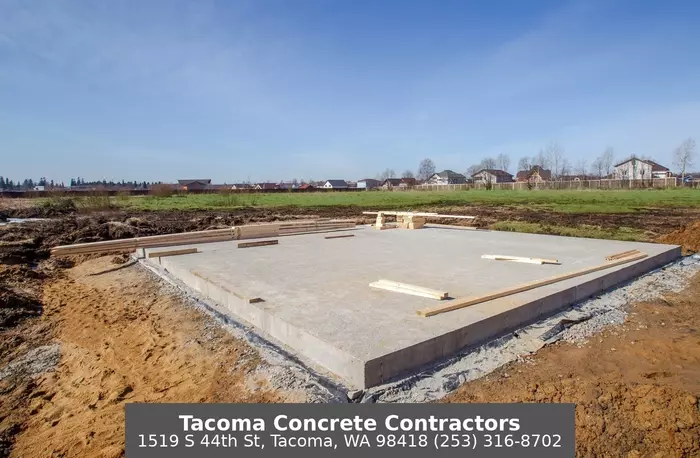
Guidelines from the American Concrete Institute explain how reinforcement improves slab durability and load distribution.
Long-Term Cost Comparison
Cheaper installations often require repairs sooner. Cracking, settlement, and surface deterioration increase long-term costs.
Slabs built to proper standards generally last decades with minimal maintenance.
Why Cheaper Options Often Fail
Lower-cost approaches may cut corners on thickness, reinforcement, or curing. These shortcuts reduce initial cost but increase the likelihood of failure.
Organizations such as the Better Business Bureau regularly caution homeowners against choosing contractors based solely on low price.
How Contractors Evaluate Cost vs Performance
Contractors balance material use, labor, and risk when designing slabs. Their goal is to deliver a surface that performs reliably under expected loads.
This evaluation often leads to slab designs that cost more upfront but perform better long term.
Regional Considerations That Affect Cost
Soil conditions, drainage, and climate affect slab performance and cost. These factors influence thickness and reinforcement decisions.
Local experience matters when determining the most cost-effective approach.
Choosing the Right Approach for Your Project
The cheapest option is not always the best option. Homeowners should consider how the surface will be used and what level of durability is required.
Working with a knowledgeable concrete contractor Tacoma https://privatebin.net/?8d0ee03945078acb#D4ieHSiEE5f7kXExwxPpSnc5njAF7uoamHD1Hdu6T2RN helps ensure the chosen approach balances cost and performance.
Frequently Asked Questions About Concrete and Slabs
Is pouring concrete without a slab cheaper?
Most concrete installations are slabs. Skipping proper slab construction usually leads to failure.
Does thinner concrete save money?
It may reduce material cost, but it increases the risk of cracking.
Are slabs more expensive than other surfaces?
They often cost more upfront but provide better long-term value.
Can slab costs be reduced safely?
Costs can be managed through proper design, not by cutting corners.
Final Thoughts on Whether It Is Cheaper to Concrete or Slab
In most cases, properly built concrete slabs offer the best balance of cost and durability. While cheaper alternatives may exist, they often fail to provide long-term performance.
Understanding what drives cost helps homeowners make informed decisions rather than focusing solely on initial price.
Tacoma Concrete Contractors
Phone: (253) 316-8702
Service Area: Tacoma, WA
Website: https://tacomaconcretecontractors.com/
Google Maps: https://maps.app.goo.gl/6izj2i3eSdA6KMxg6