Homeowners planning medium-to-large concrete projects often ask how much it costs to lay 1,000 square feet of concrete. This size is https://penzu.com/p/6dcbe332df6c8f56 common for extended driveways, large patios, shop floors, and parking areas. While the number sounds straightforward, the total cost depends on several variables that go far beyond square footage alone.
This article focuses specifically on the cost to lay 1,000 square feet of concrete. It explains how contractors calculate pricing at this scale, what factors increase or decrease total cost, and how homeowners should evaluate estimates without relying on misleading averages.
Why 1,000 Square Feet Is a Key Pricing Threshold
At 1,000 square feet, a concrete project moves beyond small residential work but does not yet reach the complexity of very large pours. This size creates a balance between efficiency and coordination.
Contractors can often work more efficiently at this scale, but mistakes still affect a large enough area to make repairs expensive. Because of this, pricing reflects both opportunity and risk.
Average Cost Range to Lay 1,000 Square Feet of Concrete
For most residential applications, the total cost to lay 1,000 square feet of concrete typically falls within these general ranges:
- $5,000–$9,000 for a basic slab with standard preparation $8,000–$14,000 for reinforced or load-bearing applications
These ranges include professional installation, preparation, placement, and finishing. Homeowners working with experienced concrete contractors should expect pricing that reflects durability rather than minimal installation.
Concrete Volume Required for 1,000 Square Feet
Concrete volume is a major cost driver. At four inches thick, 1,000 square feet requires approximately 12.3 cubic yards of concrete.
Increasing thickness to five or six inches significantly raises material volume and cost. Even small thickness adjustments have a noticeable impact at this scale.
How Thickness Decisions Affect Total Cost
Thickness is determined by intended use. Walkways and patios may only require four inches, while driveways and equipment pads often need additional thickness.
Thicker slabs improve load capacity and crack resistance but increase material, labor, and finishing time.
Preparation Costs at the 1,000 Square Foot Scale
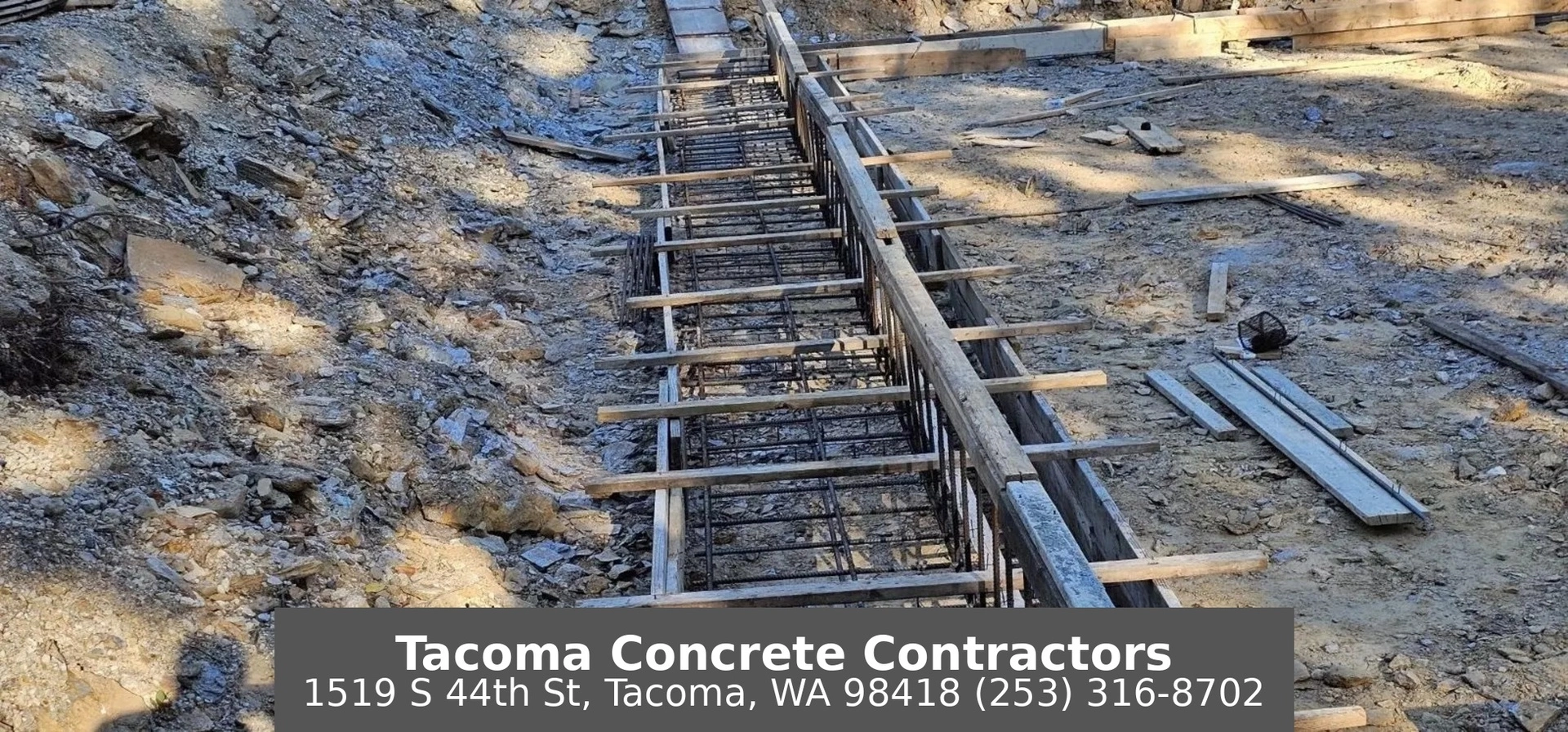
Preparation is one of the most important cost components. Excavation, grading, gravel installation, and compaction must be consistent across the entire area.
Poor preparation leads to cracking and settlement, which are costly to fix on a slab of this size.
Professional concrete services include thorough preparation because it directly affects performance.
Reinforcement and Structural Considerations
Reinforcement helps distribute loads and control shrinkage cracking. Options include rebar, wire mesh, and fiber reinforcement.
Standards published by the American Concrete Institute explain how reinforcement improves slab performance and longevity.
Joint Layout and Crack Management
Concrete naturally shrinks as it cures. Control joints direct cracking to planned locations.
Proper joint spacing is critical on slabs of this size to prevent random cracking.
Labor and Crew Requirements
A 1,000 square foot slab typically requires a coordinated crew to place, level, edge, joint, and finish concrete within a limited timeframe.
Labor costs reflect crew size, experience, and scheduling pressure.
Access and Placement Challenges
Site access affects cost. Long distances from the concrete truck to the pour area may require additional labor or pumping equipment.
Limited access increases placement time and coordination complexity.
Scheduling and Weather Risk
Concrete placement is sensitive to weather. Rain, temperature swings, and wind affect curing.
Contractors price this risk into estimates, especially for projects of this size.
Why Cost Per Square Foot Changes at 1,000 Square Feet
Compared to smaller projects, 1,000 square feet benefits from some efficiency in setup and mobilization.
However, total cost remains significant due to material volume and labor coordination.
Evaluating Estimates for a 1,000 Square Foot Slab
Homeowners should look for detailed estimates that outline preparation depth, thickness, reinforcement, joint layout, and curing methods.
Vague estimates often hide missing steps.
Choosing the Right Contractor
Experience matters at this scale. Contractors must balance efficiency with quality.
In Washington, licensing and insurance can be verified through the Washington State Department of Labor & Industries.
Working with a reputable concrete contractor Tacoma helps ensure proper execution.
Common Mistakes on 1,000 Square Foot Projects
Common mistakes include underestimating preparation, skipping reinforcement, and rushing finishing.
These shortcuts often lead to cracking and premature repairs.
Frequently Asked Questions About Laying 1,000 Square Feet of Concrete
Is 1,000 square feet considered a large concrete project?
It is considered medium-to-large for residential work and requires careful planning.
Can 1,000 square feet be poured in one day?
Yes, with proper crew size and coordination.
Does reinforcement always increase cost?
Yes, but it significantly improves durability.
How long before the slab can be used?
Light use may be allowed after several days, with full curing taking about 28 days.
Final Thoughts on the Cost to Lay 1,000 Square Feet of Concrete
Laying 1,000 square feet of concrete is a significant investment. Understanding what drives cost helps homeowners make informed decisions.
Quality installation focuses on preparation, reinforcement, and coordination rather than simply minimizing upfront price.
Tacoma Concrete Contractors
Phone: (253) 316-8702
Service Area: Tacoma, WA
Website: https://tacomaconcretecontractors.com/
Google Maps: https://maps.app.goo.gl/6izj2i3eSdA6KMxg6